
Standard rank trackers miss the grid entirely.
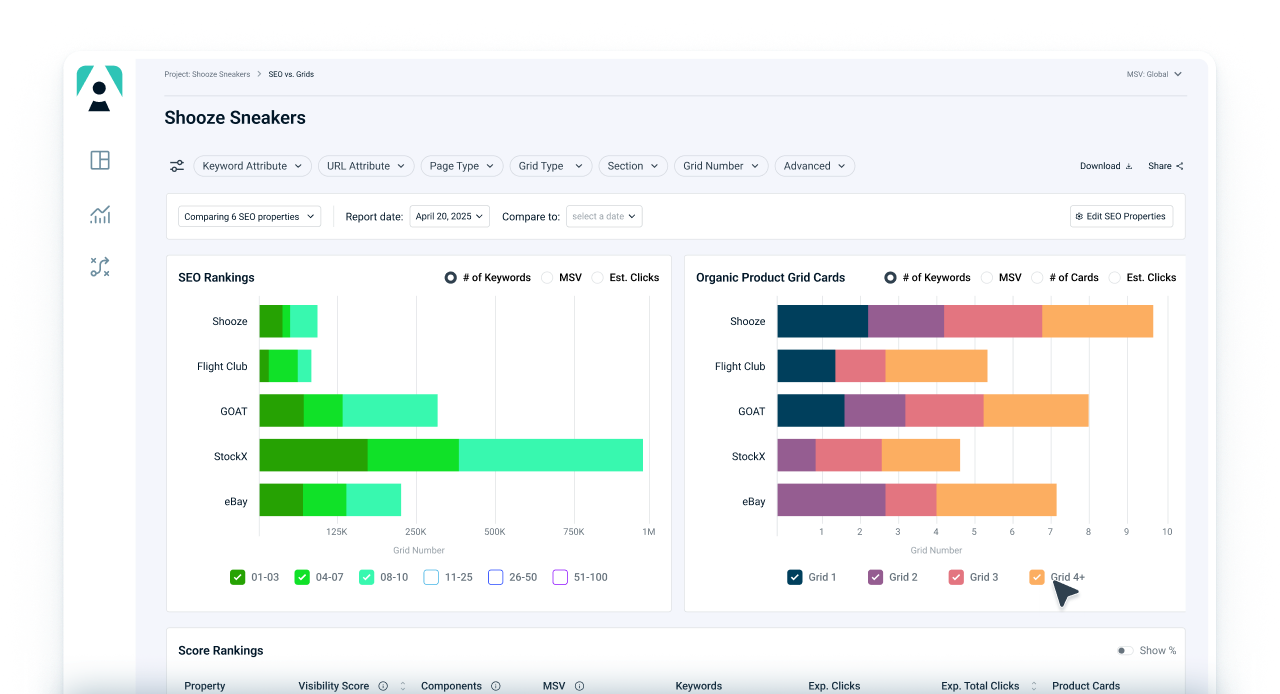
Your product grid presence never shows up in the SEO tools your team currently uses. Audience Key is the first to track product grid rankings.
Optimizing for AI Shopping
Audience Key is the first system to track and score the organic product card visibility your SEO tools miss.
Platform metrics, plus market data on product grid prevalence.
The big opportunity nobody is measuring
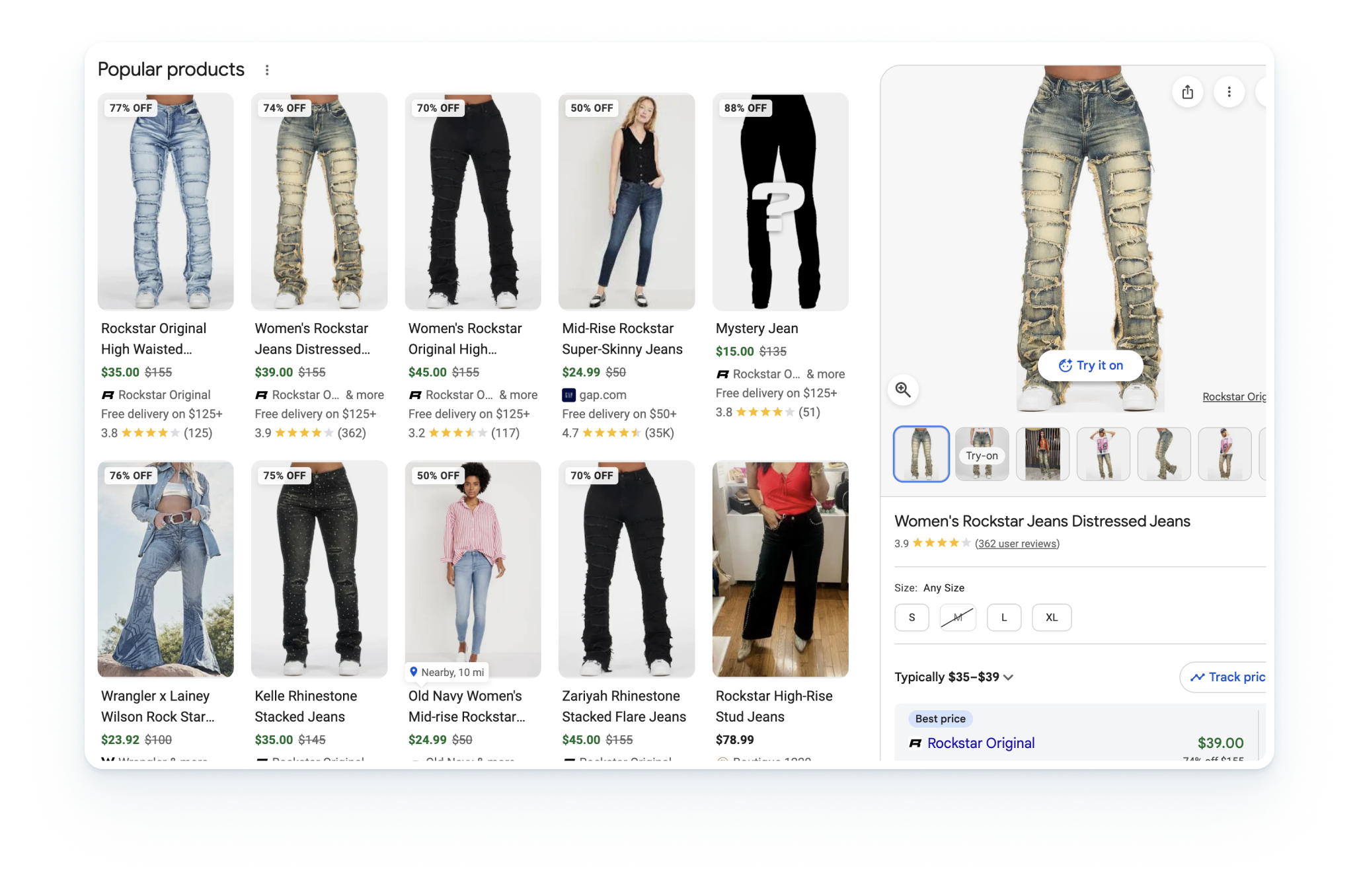
Product discovery has moved into visual grids and AI shopping results. The same product data foundations that help you appear in Google’s free listings also help AI systems understand, surface, and recommend your products.
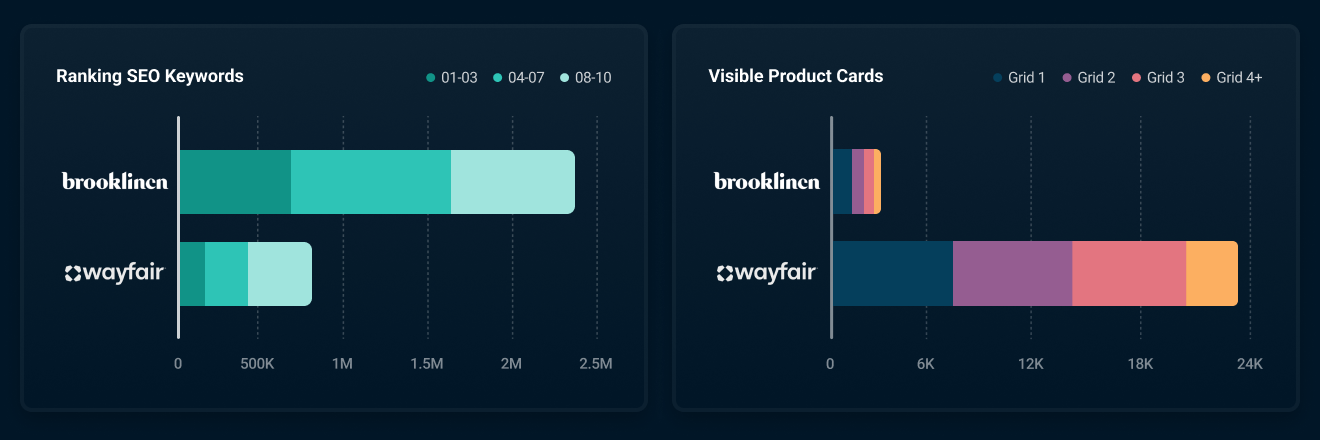
Your product grid presence never shows up in the SEO tools your team currently uses. Audience Key is the first to track product grid rankings.
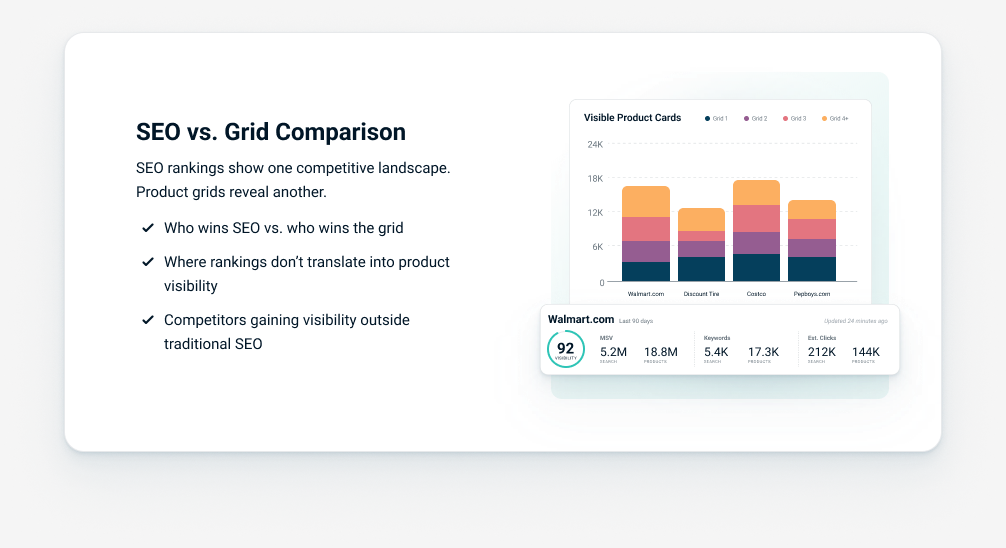
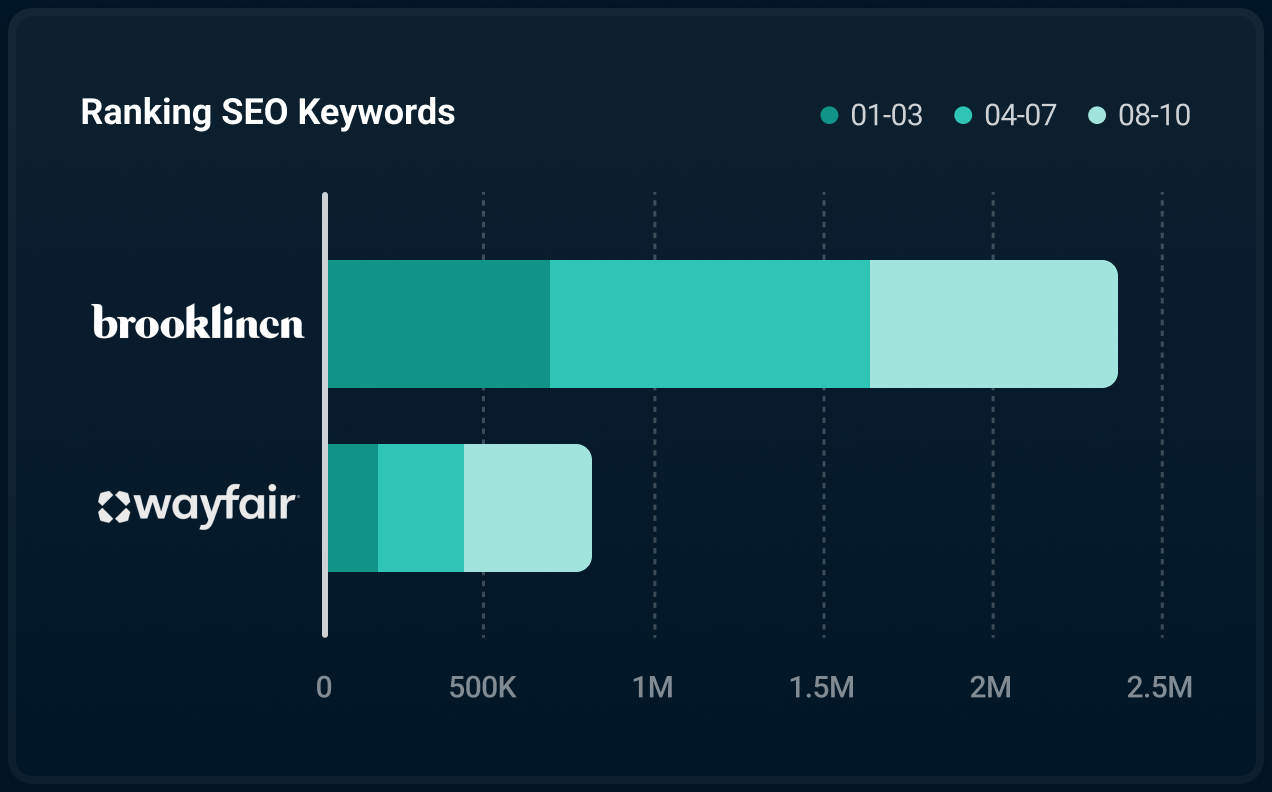
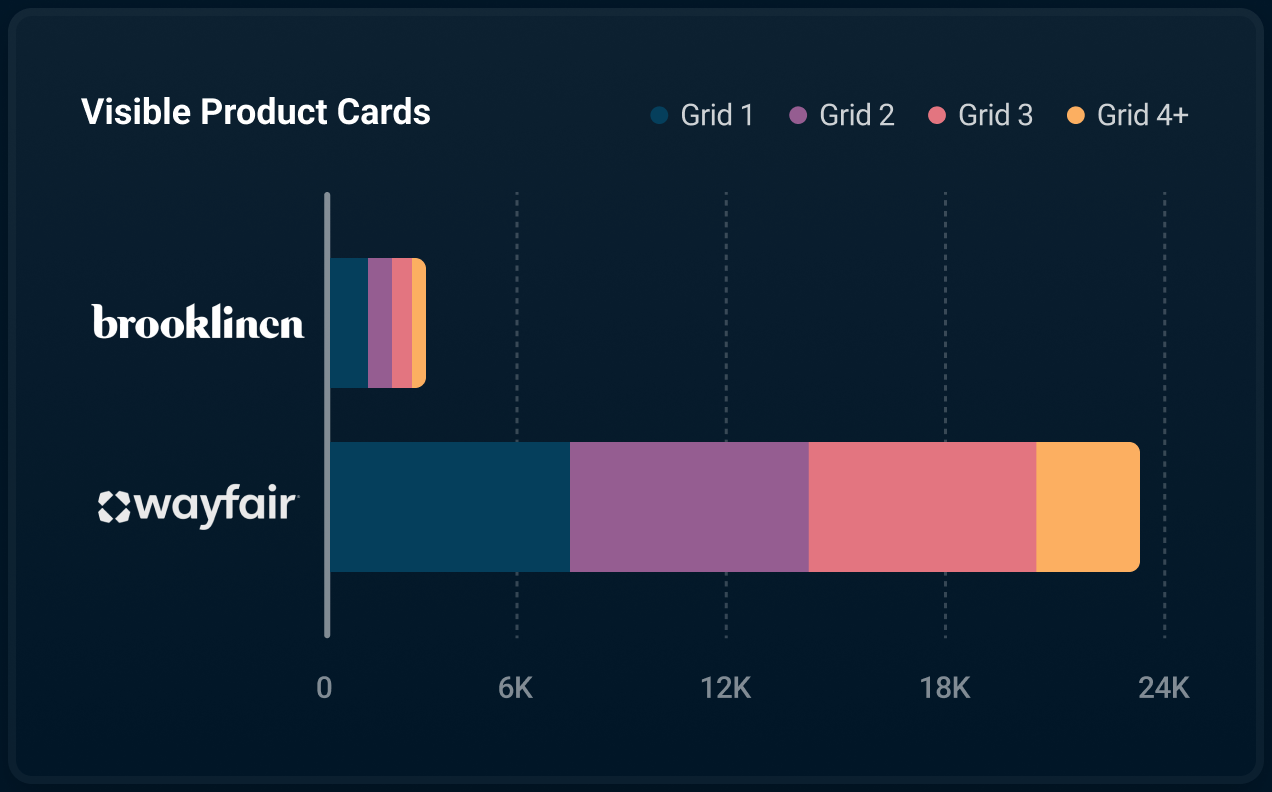
A site can dominate SEO and get crushed in the grids. Most teams have no current visibility into this.
For a single high-volume keyword, one merchant can occupy a large majority of available product cards.
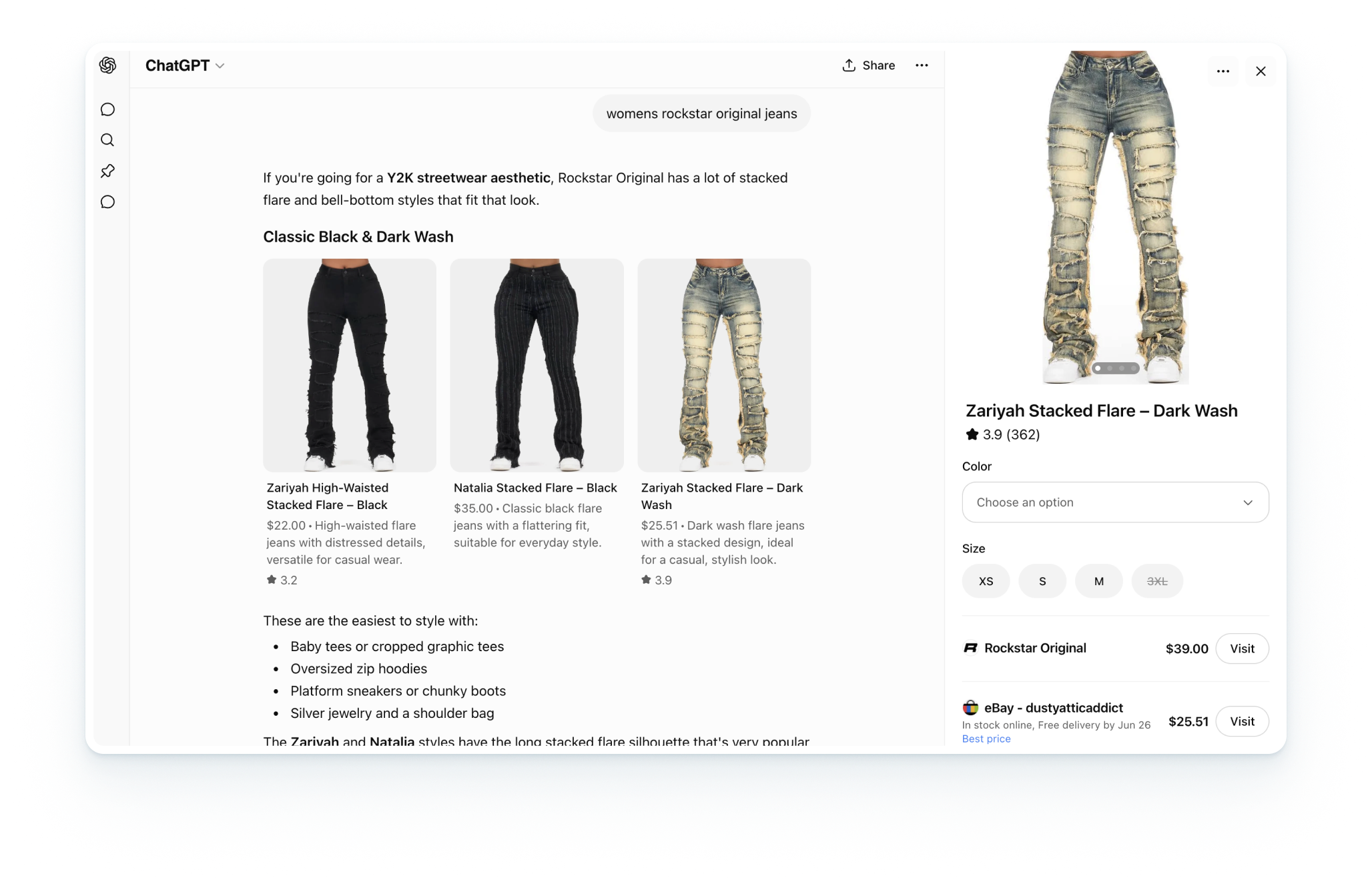
Product cards in Google, ChatGPT, Gemini, and other AI shopping surfaces share the same optimization foundations.
One playbook, four wins
Optimize your product data once. The impact carries across the commerce surfaces shaping product discovery.
Capture more of the visual shopping cards where customers compare products, prices, brands, and retailers.
ChatGPT and shopping agents pull product cards from the product grids. Win the grid, win agentic discovery.
Where shopping is goingOptimized product data strengthens the pages, schema, and category signals that drive traditional SEO.
Optimized data wins inside the Shopify Shop app and similar aggregators.
How Audience Key helps
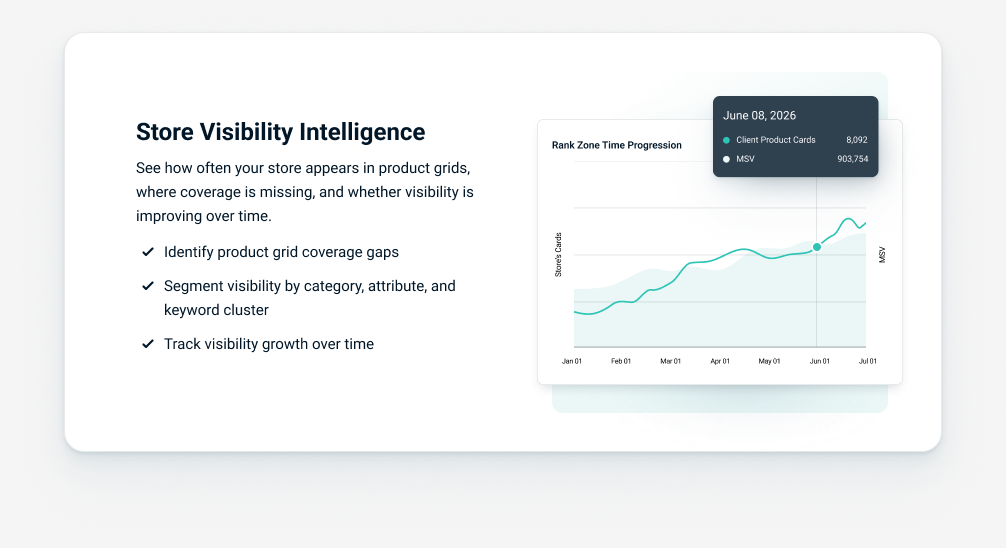
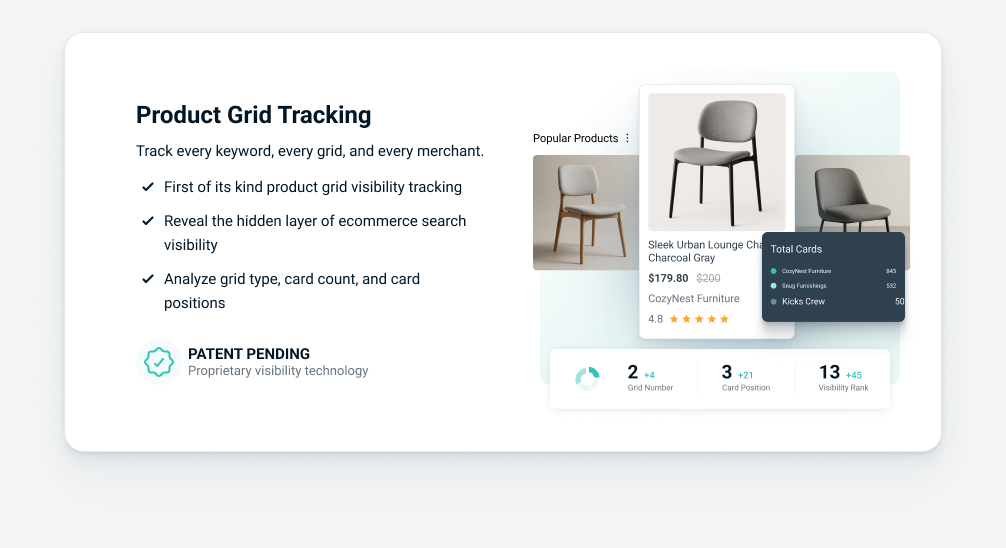
Audience Key connects patent pending product grid tracking, SEO visibility, and merchant intelligence so ecommerce teams can see where they win, where they lose, and what to improve next.
Track every keyword, every grid, and every merchant.
Who's Currently doing it right
The leaders are deliberate about product grid optimization. Most of their competitors aren’t even measuring it.
Nike owns the brand. REI owns the grid. Across 1,000+ trail-running terms, REI captures over 25% of the 44,700 free product cards - beating Nike by 39x overall and over 8x on Nike’s own branded terms.
What teams say
Audience Key has cracked product grid visibility in a way I haven’t seen anywhere else. It is early, differentiated, and directly aligned with where AEO and ecommerce search are headed.
Audience Key shined a light on a blind spot in our ecommerce SEO and led us straight to a big win optimizing product grid cards.
Your metric is wrong if you’re celebrating organic rank without grid presence in 2026. Back Market didn’t change the algorithm. They changed what they were building for.
You can’t optimize what you can’t measure.
See where your products appear, where competitors outrank you in the grids, and which fixes can improve your visibility across search and AI commerce.