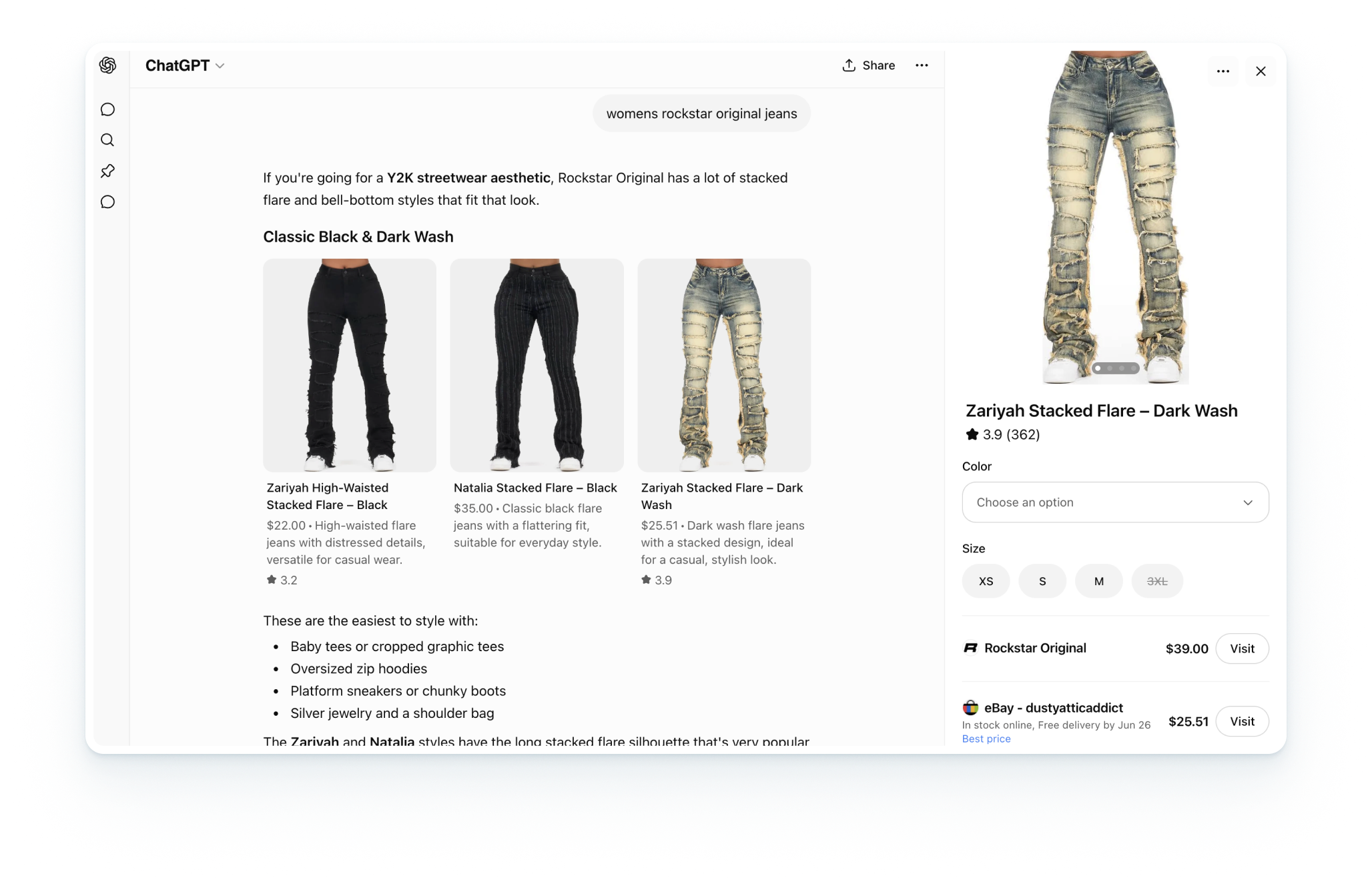
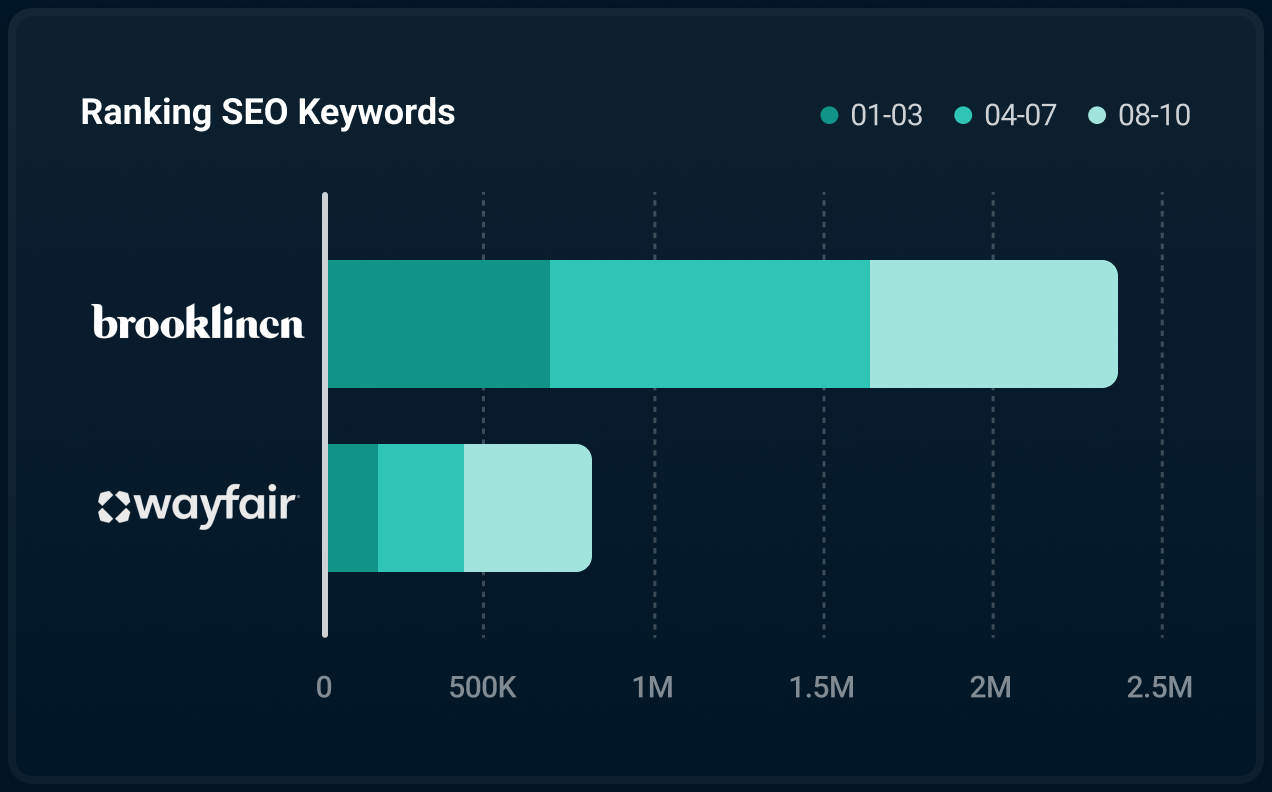
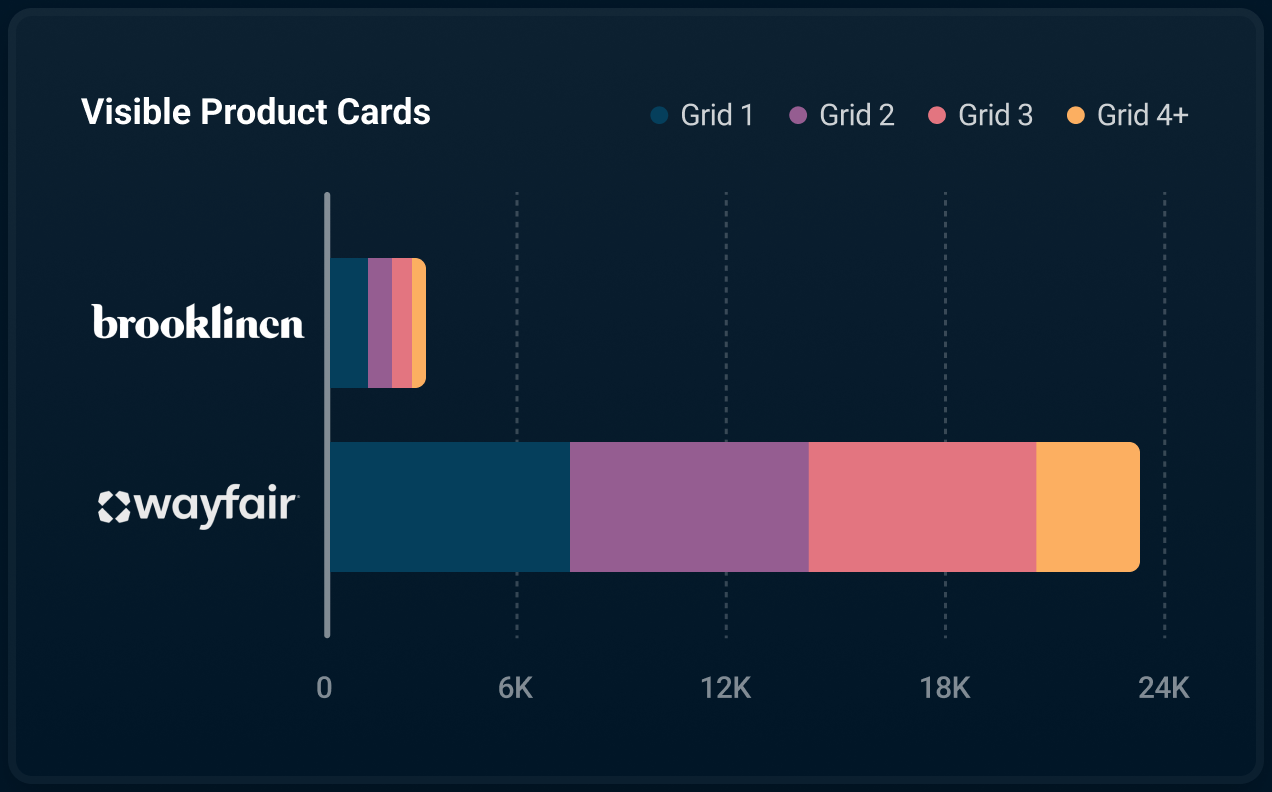
Recently, I joined LinkBuilding HQ’s “The SEO Party” to talk about a shift I’m seeing across ecommerce SERPs: For a lot of transactional queries, the results aren’t mostly blue links anymore. They’re organic product grids.

Here is the full 68-minute interview with Timmy Walczak and Naveed Chinoy, and below is a recap of the parts I think are most useful, plus a few takeaways you can hand to an SEO, paid media, or ecommerce team.

The Big Shift: Ecommerce SERPs Are Becoming Product Grids

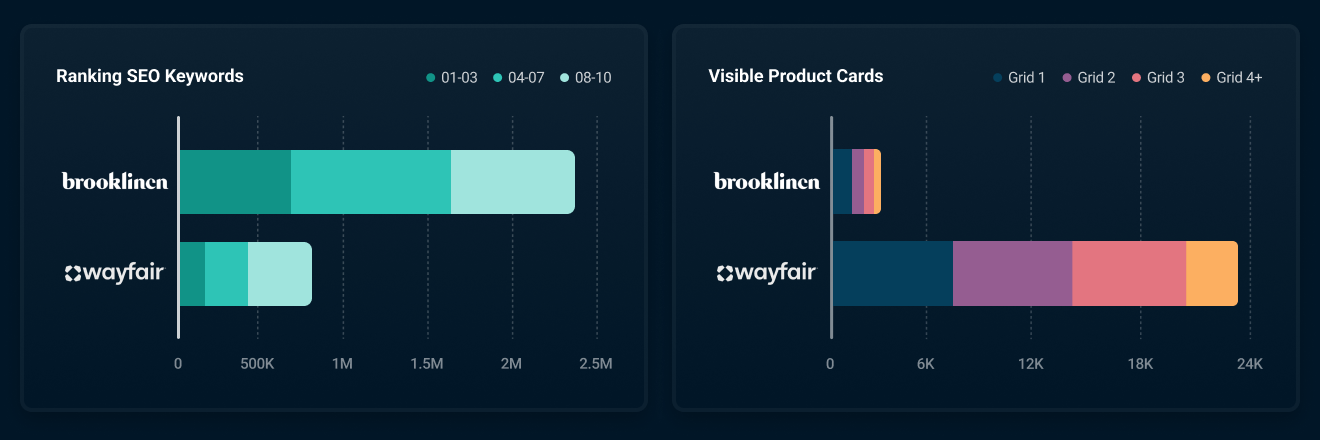
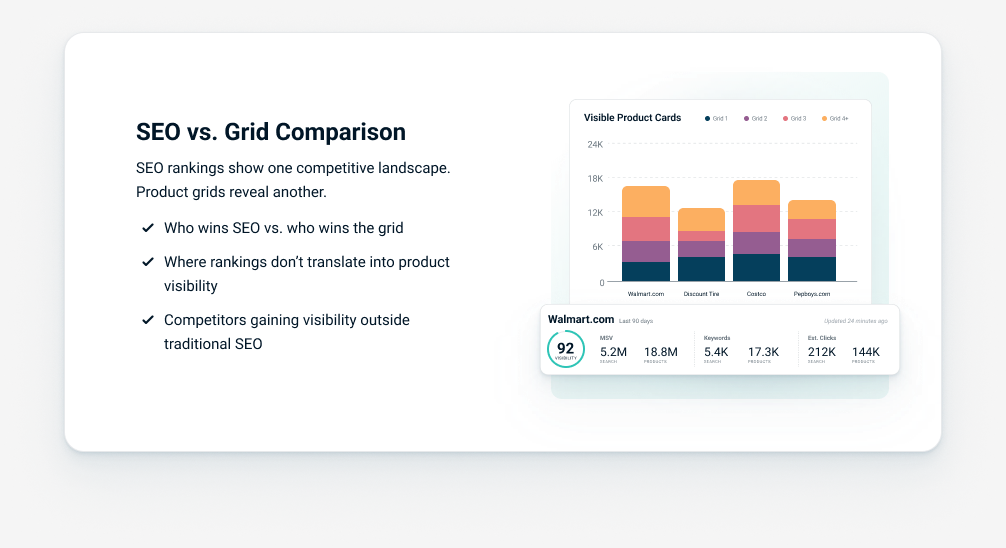
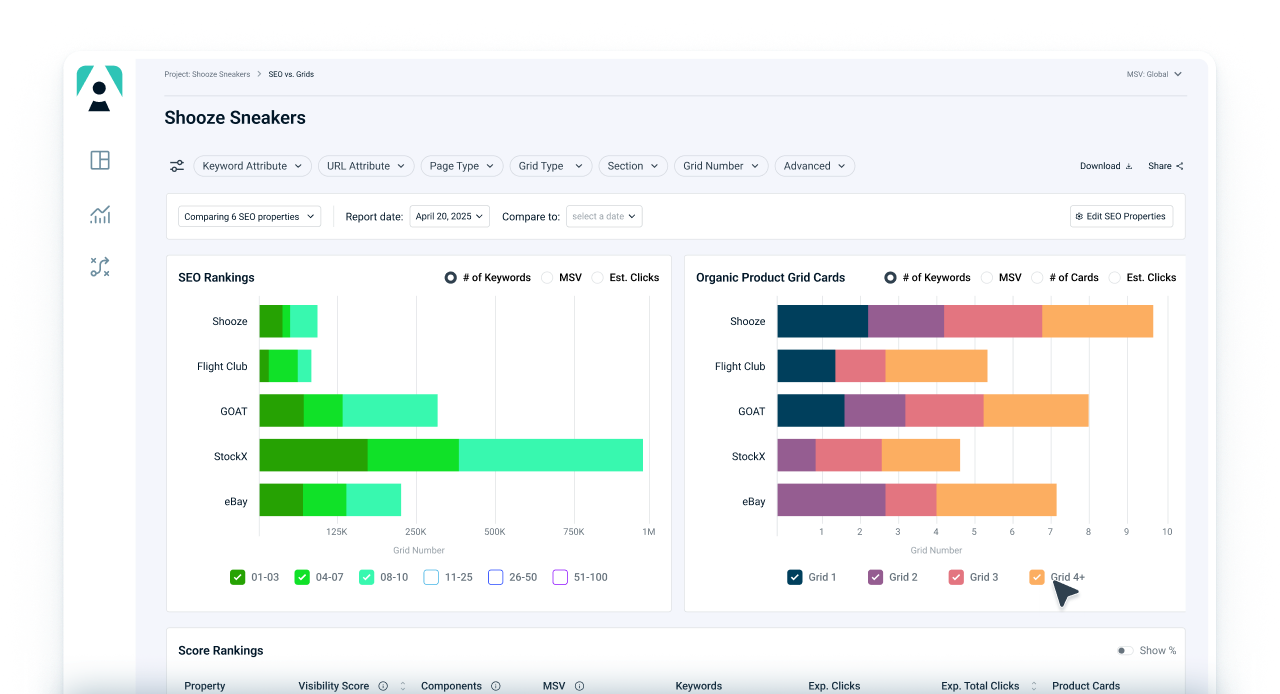
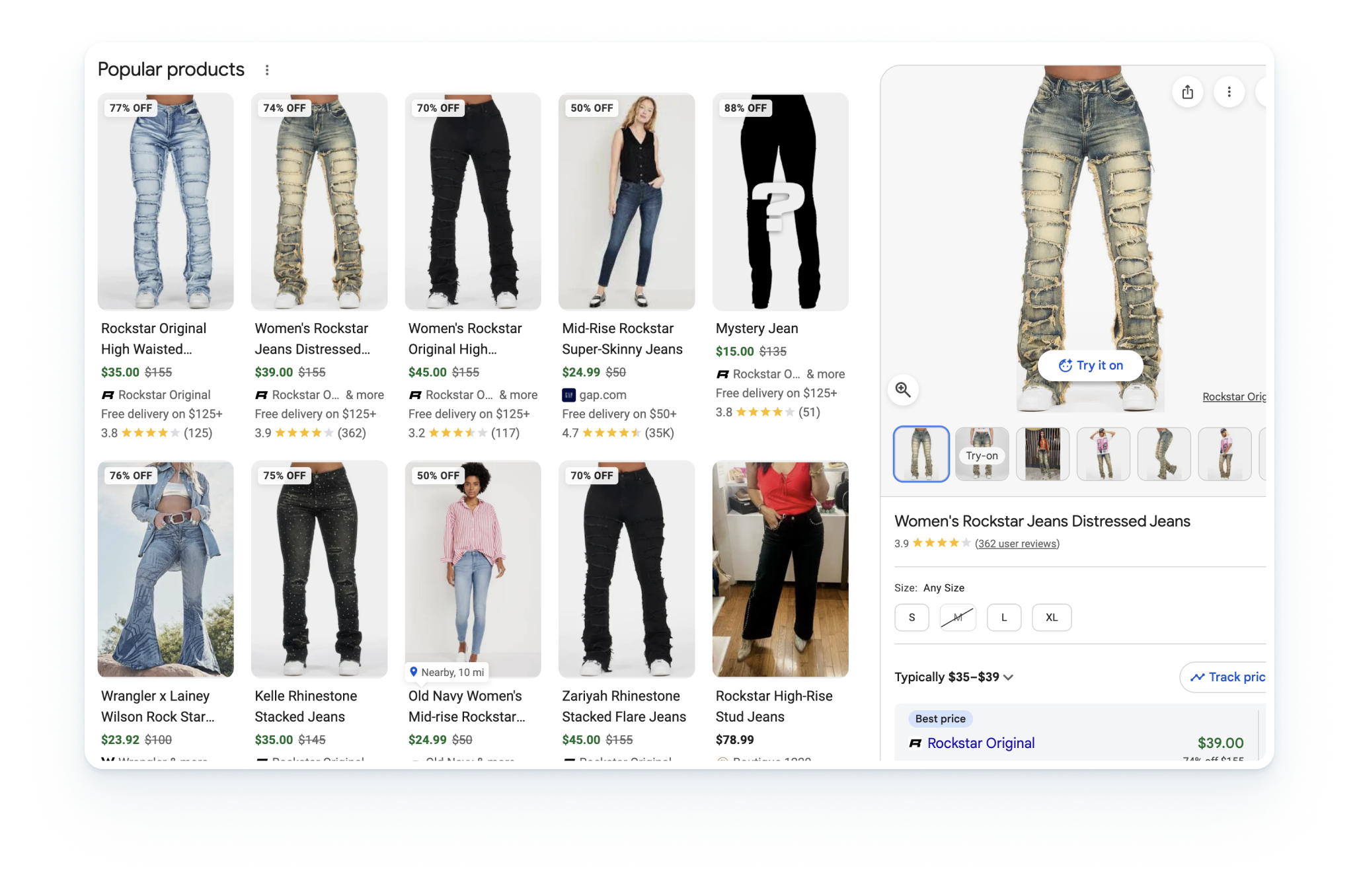
For a lot of ecommerce terms, a huge part of the organic real estate is now taken up by organic product grids — rows of product cards that show up alongside (and often above) traditional organic listings.

When we started seeing grids show up everywhere (fast fashion was an early place it felt extremely pervasive), the obvious questions became: How do we track this? Where are our clients showing up, where aren’t they, and how are competitors doing? I looked around and didn’t find a tool that really answered it.

So we built it.

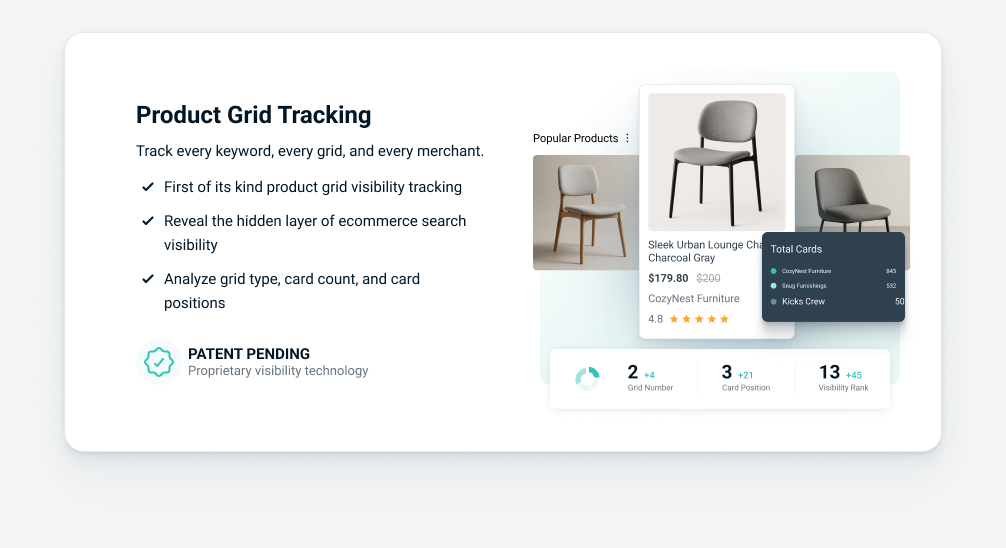
What We Measure for Grids (and Why It Changes What You Can Do)

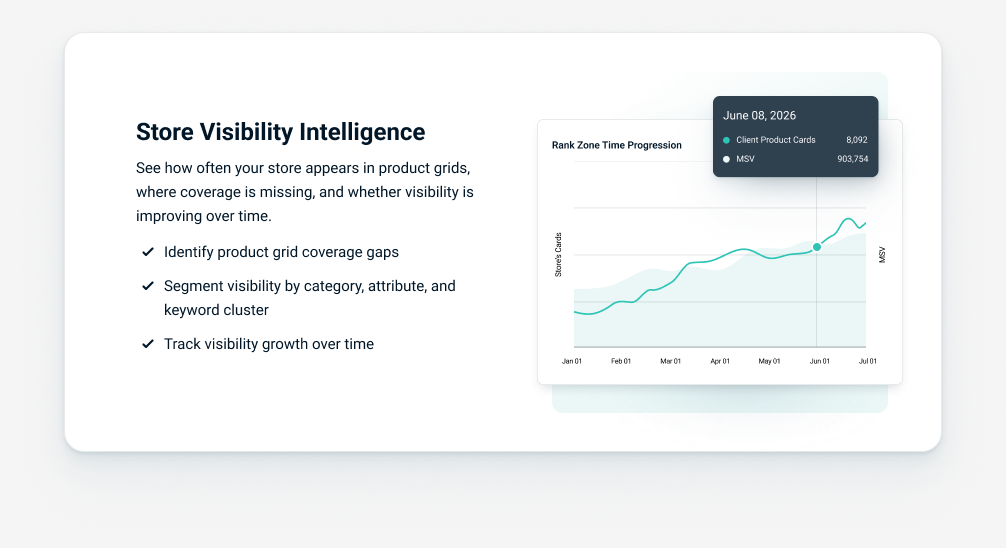
In Audience Key, grid measurement is built around questions ecommerce teams actually need answered:

Once you can see that, you can run real tests. You can take actions, then watch what actually moves.

The Amazon moment: “20% of Shelf Space Vanished Overnight”

One of the more fascinating stories in the data: Amazon disappearing from organic product grids.

Across a large study (over 100,000 keywords), we saw that Amazon had been taking up roughly 20% of total product card space, and then it was just… gone. Overnight, that meant a big chunk of “digital shelf space” became available for everyone else.

Whether you compete with Amazon directly or not, this is the kind of market event that matters a lot in ecommerce SEO, and it’s exactly why visibility tracking is so valuable.

How to Rank in Organic Product Grids: What I’d Focus on First

People ask if these grids are random. They’re not. But they do require a slightly different mental model than classic “rank a category page” SEO.

Here’s the checklist I keep coming back to.

✅ Merchant Center is now an organic surface area

These organic grids are powered heavily by Google Merchant Center. Historically Merchant Center was “the paid team’s thing.” That separation doesn’t hold up anymore.

If you want organic grid visibility, Merchant Center and SEO are suddenly connected in a very real way.

✅ PDP-first thinking matters more than it used to

A lot of ecommerce SEO used to be about your homepage, categories, and subcategories. Those still matter, but many product grids are dominated by product detail pages. That’s where the “earned shelf space” is showing up.

✅ Product schema matters more than most teams realize

Schema always had value, but in ecommerce grids, the weighting feels much heavier.

If you’re in a category where products have variants (color, size, etc.), variant schema and grouping can be make-or-break. It’s one of the first things we look for when analyzing ecommerce sites.

✅ Read the SERP refiners and treat them as your attribute roadmap

Those “filters” Google shows (material, hypoallergenic, and so on) are a signal. Make sure your product information supports what Google is surfacing as important—both in your feed and on your PDPs.

The important nuance: those refiners aren’t really filters. They’re basically query modifiers. Each click creates a new search.

✅ Supplemental feeds let you test fast

Inside Merchant Center, you can create supplemental feeds — alternative titles/descriptions for the same product. Think of it like testing alternate title strategies, without stepping on the paid media team.

One thing I love here: some feed-based changes can show impact extremely fast. I’ve seen updates reflected within seconds after refreshing the SERP. You don’t get that kind of feedback loop in most SEO work.

Link building and topical authority matter for grids too. What we’ve seen work well is building authority into focused micro-category pages that then link into PDPs. That halo effect can lift grid visibility alongside classic organic rankings.

I’m also interested in testing something we haven’t run yet: building links directly to a stable set of PDPs and measuring the lift on grid visibility. If someone wants to run that pilot with me, I’m open to it.

Keywords Aren’t a List. They’re Market Research.

One of my favorite ways to frame this comes from John Battelle’s idea of a “database of intentions,” from 2003 (yeah, 23 years ago!). Keyword data isn’t just a list of terms. It’s market research—signals of what people want, how they describe it, and how demand clusters.

That’s the approach we take in Audience Key: Collect the keyword universe, add context (volume, SERP features, rankings), then organize it so you can segment and make decisions. Map terms to the pages you have, and flag the meaningful gaps where you need new pages. That’s how a content strategy gets built.

AI Overviews and Ecommerce: The Worry May be Misplaced

A lot of people are focused on AI Overviews stealing traffic. In the ecommerce SERPs we’ve sampled, when a product grid is present, AI Overviews show up far less often than people assume.

More importantly, the structured product information you publish — feed data, on-page attributes, schema — becomes increasingly valuable as AI-driven shopping becomes more common. If you’re building strong foundations for product grids now, you’re also building the data layer that future shopping assistants will rely on.

Biggest Mistake: Chasing Tools Instead of Building Capability

SEO is a zero-sum game. If you want a position someone else already has, you have to do something meaningfully better than what’s there today.

What I see too often is teams looking for the next tool, the next automation, or the next shortcut, hoping it will be the thing that moves the needle. Tools matter. Automation matters. But neither of them replaces clear thinking, good judgment, and a willingness to test and learn.

The people who consistently win in search aren’t following the playbook blindly. They’re pulling systems apart, asking why something works, and adjusting based on what they see. Tools support that work. They don’t do it for you.

>> Focus on people, process, and then tools—in that order

There’s no such thing as a “perfect SEO.” Most people come into this field from one side or the other — technical or marketing, rarely both. Over time, you can expand your range, but no single person covers everything well.

If you’re serious about growth, you need a team or structure that accounts for that reality:

  • Technical execution
  • Strategy and prioritization
  • Content and on-page work
  • Authority and off-page support

SEO doesn’t live in a corner of the organization. You don’t SEO a website — you SEO a business. The work touches product, development, content, UX & UI, merchandising, paid media, analytics, and planning cycles.

When teams struggle, it’s rarely because they picked the wrong tool. It’s because they don’t have the right people in the room, a clear process for deciding what to work on, or a shared understanding of how SEO fits into the broader business.

Get those pieces right first. Then tools actually start to compound your effort instead of distracting from it.

Photo of author
Written by
Tom Rusling
Tom Rusling is the founder of Audience Key and Reflexive Media, where he helps brands combine technology and strategy to win in competitive organic search. His work focuses on transforming data into actionable SEO strategy, driving innovation, and unlocking measurable digital growth. Connect with Tom on LinkedIn.